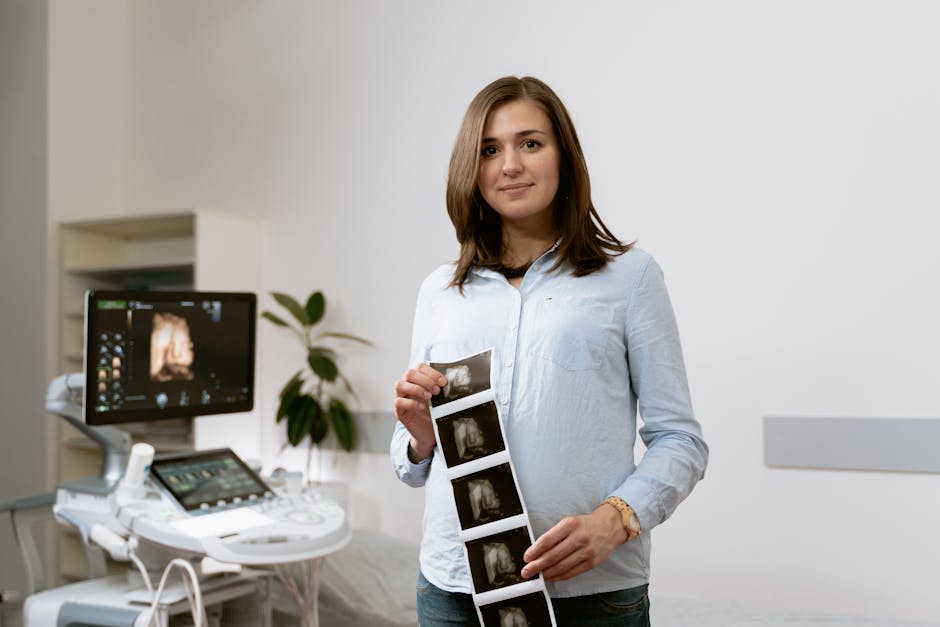
Interpreting ultrasound images has never been more critical in the fight against tuberculosis (TB). A groundbreaking study led by Dr. Véronique Suttels at the University of Lausanne has revealed the potential of the ULTR-AI suite, a cutting-edge technology that uses deep learning algorithms to analyze lung ultrasound images for TB detection. This innovative approach offers a sputum-free, rapid, and scalable alternative to traditional diagnostic methods, surpassing the World Health Organization's benchmarks for pulmonary tuberculosis diagnosis.
In recent years, TB rates have been on the rise, presenting a significant challenge to global health systems. Early screening and rapid diagnosis are essential components of the WHO's 'End TB Strategy,' yet many high-burden countries face barriers such as high costs of chest x-ray equipment and a shortage of trained radiologists, leading to patient dropouts at the diagnostic stage. Dr. Suttels emphasized the urgent need for more accessible diagnostic tools to address these challenges and improve patient outcomes.
The ULTR-AI suite consists of three deep-learning models: ULTR-AI predicts TB directly from lung ultrasound images, ULTR-AI (signs) detects ultrasound patterns as interpreted by human experts, and ULTR-AI (max) combines the outputs of both models to optimize accuracy. This innovative approach leverages technology to reduce operator dependency, standardize testing procedures, and expedite the diagnostic process, particularly in resource-constrained settings.
The study conducted in Benin, West Africa, involved 504 patients, of which 38% were confirmed to have pulmonary TB. By utilizing a standard 14-point lung ultrasound sliding scan protocol and comparing results to a sputum molecular test, the ULTR-AI suite demonstrated impressive sensitivity and specificity, exceeding WHO's target thresholds for TB triage tests. This breakthrough technology enables healthcare workers to provide instant results at the point of care, facilitating timely interventions and improving patient management.
Point-of-Care-Testing (POCT) plays a crucial role in bringing diagnostics closer to patients, whether in hospital settings, primary care facilities, ambulances, or even in the comfort of a patient's home. The integration of rapid medical laboratory tests and mobile imaging solutions enhances access to essential healthcare services, particularly in underserved communities where traditional diagnostic methods may be inaccessible.
As the global health community continues to combat the TB epidemic, innovative technologies like the ULTR-AI suite offer a promising solution to streamline diagnostic processes, improve accuracy, and enhance patient care. By harnessing the power of deep learning algorithms and ultrasound imaging, healthcare providers can revolutionize TB detection and triage, ultimately contributing to the goal of eliminating TB as a public health threat.