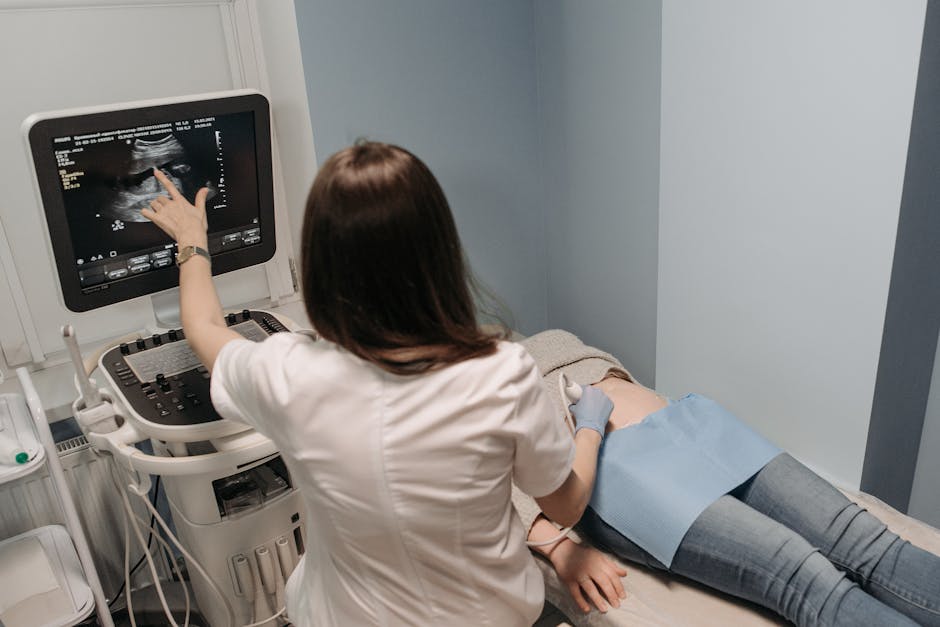
As we delve into the realm of focused ultrasound technology, it becomes increasingly evident that the field is making significant strides in revolutionizing medical treatments. The latest 2024 review paper by the Bioeffects Committee of the American Institute of Ultrasound in Medicine sheds light on the advancements in safety protocols and innovative image-guidance methods that are shaping the future of focused ultrasound therapy.
One of the key takeaways from the review is the expanding scope of focused ultrasound applications, particularly in areas such as immunotherapy, cancer treatment, and neuromodulation. With the development of state-of-the-art technology, focused ultrasound is offering precise and effective noninvasive therapy for a wide range of medical conditions.
Dr. Kenneth Bader, a prominent figure in the field and one of the authors of the review paper, emphasizes the growing interest in therapeutic ultrasound within the medical community. The goal of the review was not only to provide an overview of the current state of the field but also to map out the trajectory of therapeutic ultrasound in enhancing patient outcomes.
When it comes to how focused ultrasound interacts with the body, the review delves into the various modalities and disease applications. From tissue ablation to low-intensity pulsed ultrasound (LIPUS) for deep-brain stimulation, the versatility of focused ultrasound is evident in its ability to target different medical conditions with precision.
For instance, tissue ablation using high-intensity focused ultrasound is being explored for its potential in treating aggressive cancers and nervous system diseases. Clinical trials are also showcasing the efficacy of LIPUS in altering neural behavior for conditions like Alzheimer’s and depression, as well as improving bone healing through sonogenetics.
Moreover, lithotripsy, a technique that uses ultrasound to break apart kidney stones, has been a standard-of-care procedure since the 1980s. The use of focused ultrasound in immunomodulation is another exciting area of research, with studies highlighting its potential in modulating inflammatory responses for tumor treatment and neurodegenerative diseases.
Aside from these key applications, the review also touches upon the advancements in other areas such as physical therapy, cosmetic procedures, and drug delivery to the brain. These developments underscore the versatility and potential of focused ultrasound technology in transforming medical treatments.
As technology continues to evolve, the field of focused ultrasound is also seeing advancements in imaging and guidance methods. These innovations are crucial in ensuring the precision and safety of focused ultrasound treatments, ultimately enhancing patient care and outcomes.
In conclusion, the 2024 review on bioeffects and safety in focused ultrasound serves as a testament to the progress made in the field over the past decade. With a focus on efficacy, safety, and innovation, focused ultrasound is poised to continue making significant contributions to the medical landscape, offering new possibilities for noninvasive and targeted therapies.