Key Takeaways
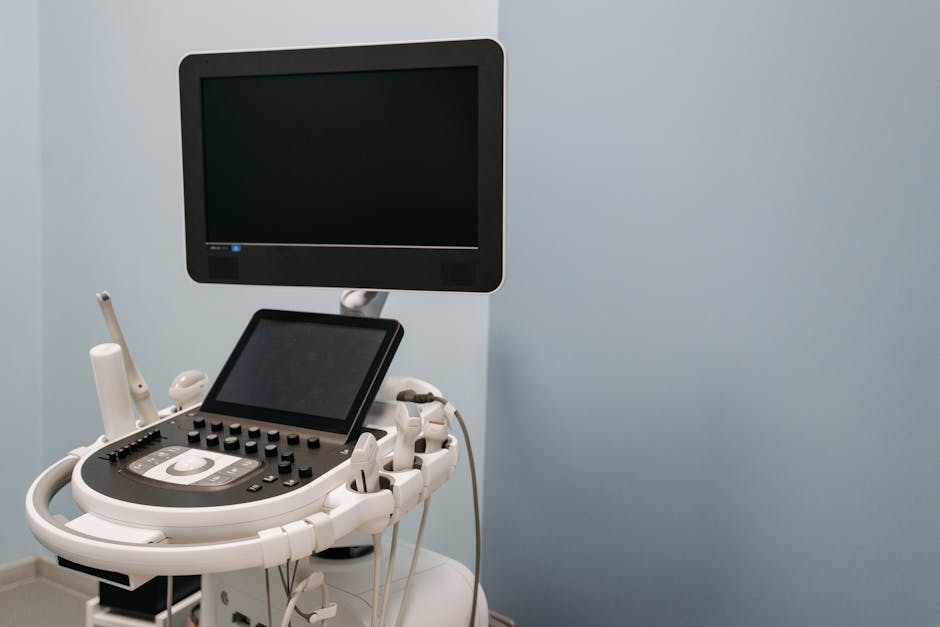
- The use of lung ultrasound in diagnosing Neonatal Respiratory Distress Syndrome (NRDS) is a growing trend in the field of sonography.
- Lung ultrasound offers several advantages over traditional chest X-rays for diagnosing NRDS in newborns.
- Experts believe that the integration of lung ultrasound into routine neonatal care could improve patient outcomes and reduce healthcare costs.
The Rise of Lung Ultrasound in Neonatal Care
In recent years, there has been a noticeable shift in the way healthcare providers diagnose and manage Neonatal Respiratory Distress Syndrome (NRDS) in newborns. Traditionally, chest X-rays have been the go-to imaging modality for evaluating lung function in neonates. However, the emergence of lung ultrasound as a viable alternative has sparked a new wave of interest among sonographers and neonatologists.
Benefits of Lung Ultrasound in NRDS Diagnosis
One of the key advantages of lung ultrasound is its ability to provide real-time, dynamic imaging of the lungs without exposing the newborn to ionizing radiation. This is particularly important in the neonatal population, where minimizing radiation exposure is a top priority. Additionally, lung ultrasound is non-invasive, portable, and can be performed at the bedside, making it a convenient tool for monitoring respiratory status in premature infants.
Expert Perspectives on the Use of Lung Ultrasound
Experts in the field of neonatal imaging believe that the integration of lung ultrasound into routine neonatal care could lead to significant improvements in patient outcomes. Dr. Sarah Johnson, a renowned neonatologist, states, "Lung ultrasound has the potential to revolutionize the way we diagnose and manage NRDS in newborns. Its high sensitivity and specificity make it a valuable tool for guiding clinical decision-making and reducing unnecessary treatments."
Future Implications for Sonography Careers
As the use of lung ultrasound continues to gain momentum in the field of neonatal care, sonographers with expertise in this modality are likely to see an increase in job opportunities and career advancement. Hospitals and healthcare facilities are recognizing the value of incorporating lung ultrasound into their neonatal imaging protocols, creating a demand for skilled sonographers who can perform and interpret these exams.
In conclusion, the current trends in the imaging diagnosis of Neonatal Respiratory Distress Syndrome highlight the growing importance of lung ultrasound in the field of sonography. By embracing this innovative technology, healthcare providers can improve patient care, reduce healthcare costs, and enhance the overall quality of neonatal imaging services.