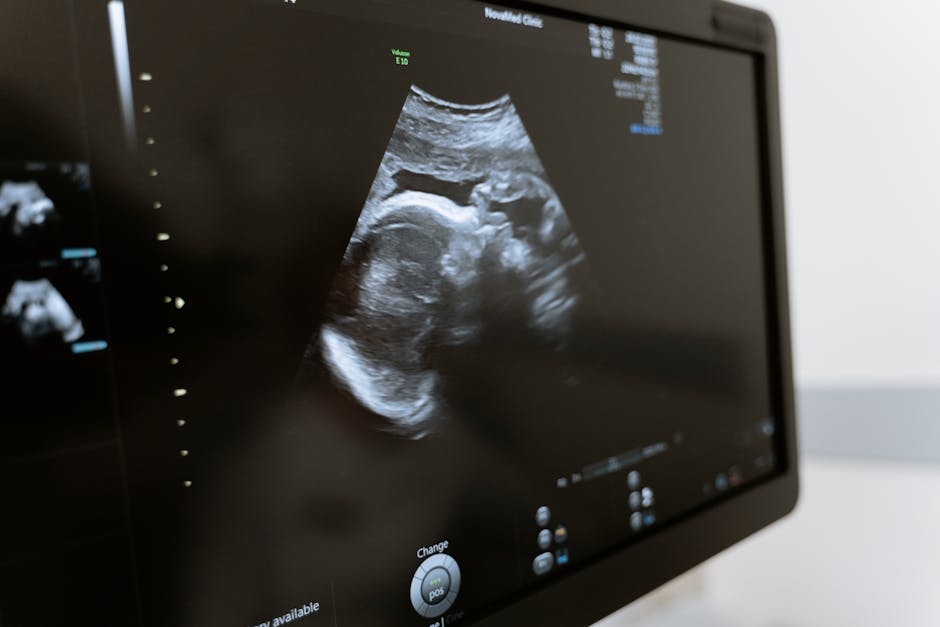
Ultrasound technology has been a mainstay in the medical field for decades, typically utilized by specialists like cardiologists, obstetricians, and radiologists. However, in recent years, there has been a shift towards point-of-care ultrasound (POCUS) in various clinical settings, including the pediatric intensive care unit (PICU). This shift has been driven by advancements in technology and a growing body of research demonstrating the utility of POCUS in immediate patient assessment and management.
POCUS allows clinicians to acquire and interpret ultrasound images at the bedside, empowering them to make real-time, data-informed decisions without relying on specialists for image acquisition or interpretation. In pediatric critical care, POCUS is particularly valuable for performing procedures safely and conducting rapid serial reassessments to enhance diagnosis and monitoring capabilities.
Over the past decade, significant progress has been made in the field of pediatric critical care POCUS. However, with rapid advancements come challenges and controversies. Questions surrounding competency, training, workflow alteration, financial implications, and the potential risks of incorrect interpretations by inadequately trained users have emerged.
Despite these challenges, when used as a complement to existing clinical tools or as an extension of the physical exam, rather than a standalone diagnostic modality, POCUS can offer invaluable insights and guidance in patient care. By providing critical information in a timely manner, POCUS has the potential to improve patient outcomes and enhance overall care delivery.
In this review, we delve into the origins, current status, and evolution of POCUS in pediatric critical care, as well as the future trajectory of this imaging modality and the obstacles that must be addressed to ensure its continued advancement.
The history of critical care POCUS can be traced back to its origins in medical ultrasound, which was initially developed from SONAR technology during World War I. Since then, ultrasound technology has evolved significantly, leading to its widespread adoption in various medical specialties.
With the advent of POCUS, clinicians in the pediatric critical care setting have gained a powerful tool for immediate bedside assessment and management of critically ill patients. This shift towards point-of-care ultrasound has been fueled by technological advancements that have made ultrasound devices more portable, user-friendly, and accessible.
Despite the growing popularity of POCUS in pediatric critical care, challenges related to training, competency, and standardization of usage persist. In order to ensure the safe and effective implementation of POCUS across disciplines, efforts must be made to establish standardized training programs, competency assessments, and guidelines for its use.
Looking ahead, the future of POCUS in pediatric critical care holds great promise. As technology continues to advance and our understanding of its clinical applications deepens, POCUS has the potential to revolutionize the way we care for critically ill children.
By addressing the challenges and obstacles that currently impede the widespread adoption of POCUS in pediatric critical care, we can unlock its full potential as a valuable tool for enhancing patient care and improving outcomes in the PICU.