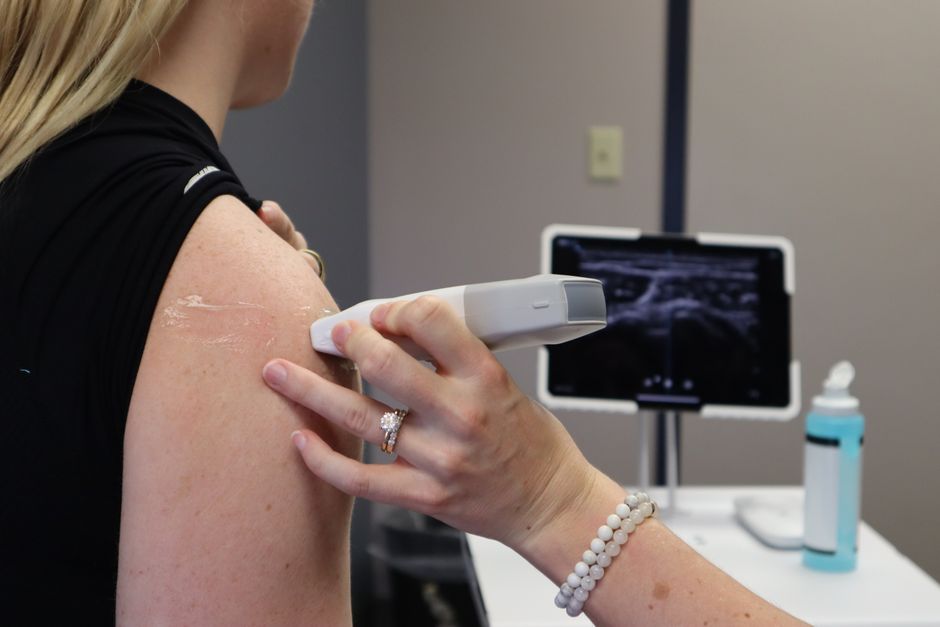
Point-of-care ultrasound (POCUS) is revolutionizing the way healthcare professionals approach cardiac arrest situations. Defined as the sudden loss of heart activity leading to ineffective breathing and blood circulation, cardiac arrest requires immediate intervention to prevent serious consequences. POCUS provides real-time, evidence-based information during resuscitation, allowing for the rapid identification of reversible conditions that can guide ongoing efforts to save a patient's life.
POCUS plays a crucial role in non-shockable rhythms such as pulseless electrical activity, pseudo-PEA, and asystole, where traditional electrocardiographic findings may not provide a clear picture of the underlying issue. By using ultrasound, medical professionals can identify reversible causes like cardiac tamponade, massive pulmonary embolism, and tension pneumothorax, which may otherwise go unnoticed.
One key aspect highlighted in this mini-review is the importance of serial ultrasound in monitoring cardiac activity and guiding advanced resuscitation techniques. It is emphasized, however, that ultrasound findings should not be the sole basis for deciding whether to terminate resuscitation efforts.
When it comes to performing POCUS during cardiac arrest, several practical considerations must be taken into account. This includes proper probe selection, obtaining useful views, and minimizing interruptions to chest compressions. Techniques such as the Cardiac Arrest Sonographic Assessment protocol are discussed to streamline image acquisition within the brief pulse-check window.
Cardiac arrest is a critical medical emergency that requires swift and accurate intervention. POCUS is proving to be a valuable tool in this scenario, offering clinicians real-time insights that can make a significant difference in patient outcomes. By employing ultrasound during resuscitation efforts, healthcare providers can improve the chances of successfully reviving a patient and restoring circulation.
As the field of medicine continues to evolve, the role of POCUS in cardiac arrest management is becoming increasingly recognized. The ability to rapidly assess and identify reversible conditions using ultrasound is a game-changer in the realm of resuscitative medicine. By incorporating POCUS into cardiac arrest protocols, healthcare teams can enhance their ability to provide timely and effective care to patients in need.
Ultimately, the selection of the right ultrasound probe and the skillful execution of POCUS techniques can mean the difference between life and death in a cardiac arrest scenario. As technology advances and medical professionals become more adept at utilizing ultrasound in emergency situations, the potential for saving lives continues to grow.