Key Takeaways
- Point-of-care ultrasound is a valuable tool in emergency medicine, providing fast and clear answers to guide care.
- Artificial intelligence (AI)-guided ultrasounds have the potential to revolutionize patient care, making diagnoses faster and more accurate.
- Dr. Cristiana Baloescu, an assistant professor of emergency medicine at Yale School of Medicine, discusses the benefits of AI in ultrasound imaging for improved patient outcomes.
The Power of Point-of-Care Ultrasound
Imagine being able to quickly and accurately diagnose a patient's condition right at their bedside, without the need for lengthy and complex scans. This is the power of point-of-care ultrasound in emergency medicine. Dr. Cristiana Baloescu, an expert in the field, recalls a life-saving moment during a night shift when she used ultrasound to diagnose a patient with a serious aortic dissection. The ability to see inside the patient in real-time allowed for immediate medical intervention, ultimately saving their life.
The Role of Artificial Intelligence in Ultrasound Imaging
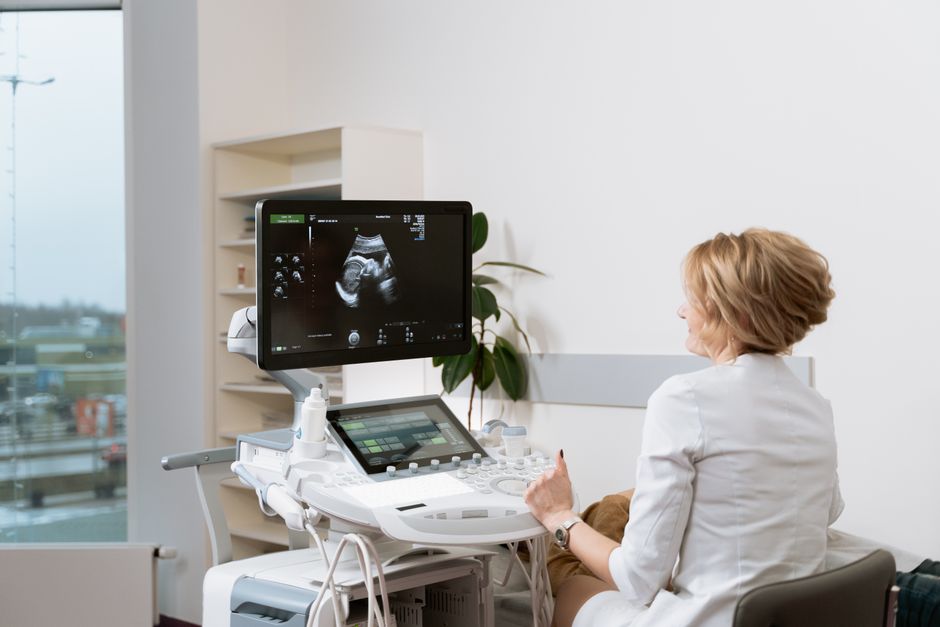
Artificial intelligence (AI) has been making waves in the healthcare industry, and its integration into ultrasound technology is no exception. AI-guided ultrasounds have the potential to revolutionize patient care by providing clinicians with faster and more accurate diagnoses. By analyzing ultrasound images and providing real-time feedback, AI can support healthcare providers in making confident decisions quickly, ultimately improving patient outcomes.
Dr. Baloescu's Research on AI-Guided Ultrasounds
Dr. Baloescu's research at Yale focuses on the use of AI-guided ultrasounds, particularly in lung imaging. Lung ultrasound is crucial for identifying conditions such as pneumonia and pulmonary edema, allowing for early intervention and treatment. By leveraging AI technology, clinicians can enhance their diagnostic capabilities and provide more personalized care to patients.
The Future of Ultrasound in Emergency Medicine
As technology continues to advance, the future of ultrasound in emergency medicine looks promising. The combination of point-of-care ultrasound and AI-guided imaging has the potential to transform the way healthcare providers diagnose and treat patients. Dr. Baloescu's work exemplifies the importance of staying at the forefront of medical innovation to deliver the best possible care to those in need.
Overall, the integration of artificial intelligence into ultrasound technology is a game-changer for emergency medicine, offering faster, more accurate diagnoses and ultimately leading to improved patient outcomes. Dr. Baloescu's research underscores the importance of embracing innovation in healthcare to provide the best possible care to patients in their time of need.