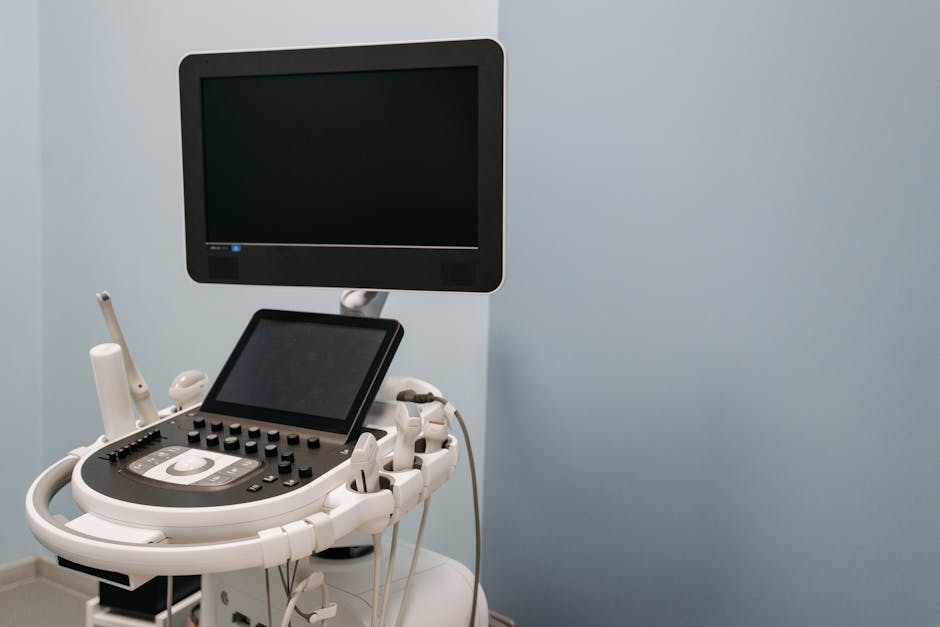
The healthcare landscape is constantly evolving, with new advances in technology driving changes in policy and practice. One area that is at the forefront of these shifts is ultrasound technology. This innovative tool is playing a crucial role in shaping the future of healthcare, particularly in primary care settings.
One of the key trends in healthcare today is the focus on the patient experience. Patients are demanding a more direct path from diagnosis to treatment, with fewer barriers to care and a personalized approach to treatment. Ultrasound technology is helping to meet these demands by providing primary care physicians with the tools they need to make accurate diagnoses quickly and efficiently.
By using ultrasound technology in primary care settings, doctors can enhance their relationship with patients and provide them with a higher level of care. Instead of waiting weeks or even months for a referral to a specialist, patients can receive a diagnosis from their general practitioner on the spot. This not only saves time and reduces stress for patients, but also allows for a more seamless and integrated approach to healthcare.
The trend towards closer collaboration between doctors and patients is supported by the use of ultrasound technology in primary care. Patients are seeking more engagement, care, and transparency from their healthcare providers, and ultrasound technology can help to facilitate this by providing clear and accurate diagnostic information.
According to data from GE HealthCare's 2023 Reimagining Better Health survey, 44% of patients lack confidence in their ability to access timely care. By using ultrasound technology in primary care settings, doctors can provide patients with the information and peace of mind they need to confidently move forward with their treatment plan.
Ultrasound technology is also playing a key role in the trend towards personalized medicine. By providing doctors with detailed and accurate images of internal structures, ultrasound technology allows for more precise and individualized treatment plans. This can lead to better outcomes for patients and a more efficient use of healthcare resources.
In addition to these trends, ultrasound technology is also driving advancements in telemedicine and remote monitoring. By allowing doctors to perform ultrasounds remotely and transmit images securely, patients in rural or underserved areas can receive high-quality care without the need to travel long distances.
Overall, ultrasound technology is revolutionizing the way healthcare is delivered, with a focus on improving the patient experience and providing more personalized and efficient care. As this technology continues to evolve, it will play an increasingly important role in shaping the future of healthcare.