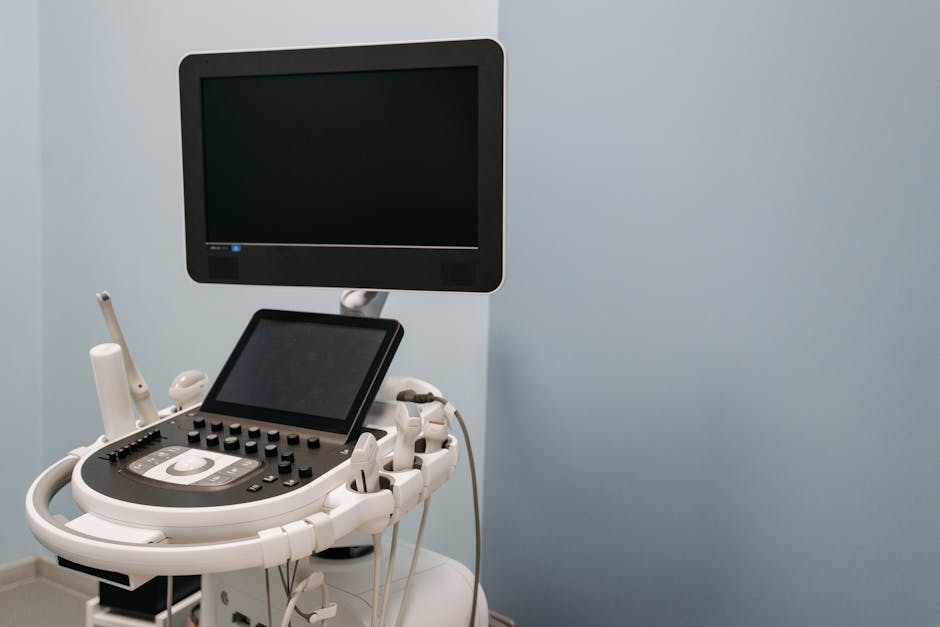
Ultrasound technology has revolutionized the field of neonatal intensive care, offering a non-invasive way to assess lung function in very preterm infants. While visual scoring of lung ultrasound images has been the norm, a more objective approach known as quantitative lung ultrasound (Q-LUS) is gaining traction. Researchers have been exploring the correlation between Q-LUS measurements and oxygenation levels in very preterm infants born before 32 weeks’ gestation.
In a recent study, 560 lung ultrasound images were collected from 70 very preterm infants using advanced ultrasound systems like Venue 50 and Venue Go. These images were then analyzed using sophisticated software like Fiji ImageJ to measure quantitative image properties such as mean-grey-value (MGV) and second-order textural features.
The researchers assessed the infants' oxygenation levels using parameters like oxygen saturation index (OSI) and peripheral oxygen saturation to fraction of inspired oxygen (S/F) ratio. By applying Spearman’s rank correlation coefficient, they were able to determine the relationship between Q-LUS measurements and infant oxygenation.
The results of the study revealed interesting findings. The mean-grey-value (MGV) showed a moderate correlation with oxygen saturation index (OSI) and S/F ratio, indicating a potential link between lung aeration changes and oxygen status in very preterm infants. However, the correlation varied depending on the ultrasound system used, with Venue 50 and Venue Go showing slightly different results.
Among the textural features analyzed, the Q-LUS correlation stood out as a reliable indicator of oxygenation levels, showing consistent correlations with OSI and S/F ratio across different ultrasound systems. This suggests that Q-LUS correlation could serve as a machine-independent measure of oxygenation in very preterm infants.
These findings have significant implications for neonatal intensive care, where accurate assessment of lung function is crucial for optimizing ventilation strategies and reducing the risk of ventilator-induced lung injury (VILI). By utilizing advanced ultrasound technology and quantitative analysis techniques, healthcare providers can make more informed decisions regarding the care of very preterm infants.
As research in this field continues to advance, we can expect to see further developments in the use of ultrasound technology for assessing lung function in neonatal patients. The integration of quantitative lung ultrasound into clinical practice has the potential to improve outcomes for very preterm infants and enhance the quality of care provided in neonatal intensive care units.
Overall, the study on Q-LUS and its correlation with oxygenation levels in very preterm infants sheds light on the potential of ultrasound technology to revolutionize the way we monitor and manage lung health in neonatal patients. With further research and technological advancements, we may see ultrasound machines playing an even greater role in improving outcomes for preterm infants in the future.