Key Takeaways
- Lung ultrasound (LUS) is a crucial tool in neonatology, offering advantages over traditional imaging methods.
- LUS is safe, accessible, and provides real-time imaging, making it essential for managing acute respiratory conditions in neonates.
- Integrating LUS into clinical practice enhances the management of life-threatening conditions in neonatal intensive care units.
The Evolution of Pediatric Sonography
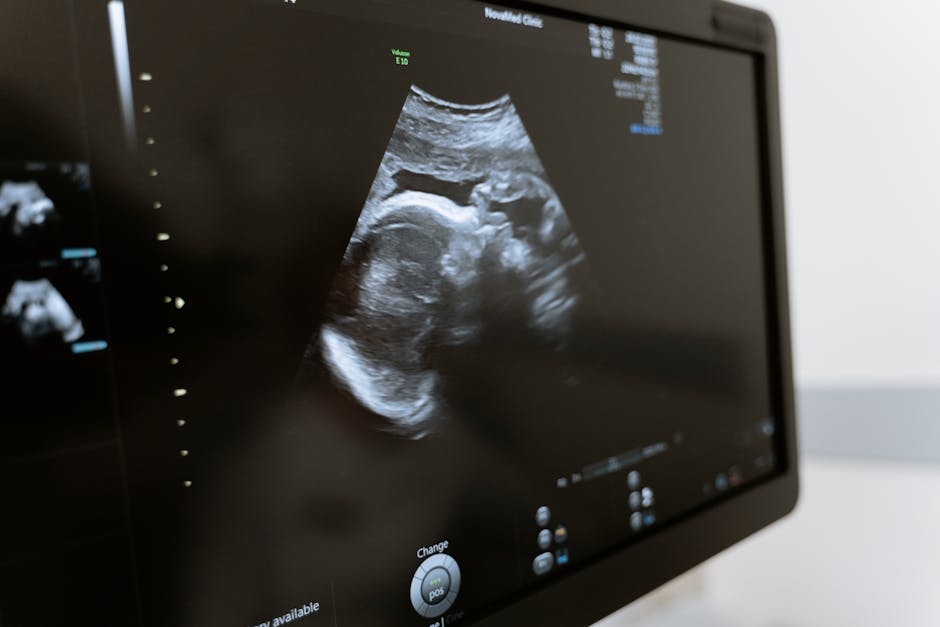
Advancements in pediatric sonography have revolutionized the way we care for neonates, particularly in critical care settings. Lung ultrasound (LUS) has emerged as a game-changer, offering a safer and more efficient alternative to traditional imaging methods.
Benefits of Lung Ultrasound in Neonatal Care
Unlike chest radiographs, LUS does not expose neonates to ionizing radiation, making it a safer option for frequent monitoring in critical conditions. Its accessibility and ease of use allow for real-time imaging without the need for patient transport, ensuring timely intervention in acute respiratory distress situations.
Applications of LUS in Neonatal Intensive Care
LUS plays a vital role in diagnosing and managing respiratory conditions such as respiratory distress syndrome (RDS) and pneumothorax (PTX) in neonates. It also aids in detecting congenital respiratory malformations and optimizing mechanical ventilation, improving overall patient outcomes.
The Future of Pediatric Sonography
As technology continues to advance, pediatric sonography will only become more integral to neonatal care. Integrating LUS into clinical practice not only enhances diagnostic capabilities but also improves the overall management of life-threatening conditions in neonates.
With its ability to provide accurate, real-time imaging without the need for ionizing radiation, LUS is a valuable tool for clinicians in neonatal intensive care units. By staying at the forefront of pediatric sonography advancements, healthcare professionals can ensure better outcomes for the tiniest patients in need.