Key Takeaways
- AI in medical imaging offers enhanced accuracy and efficiency in image interpretation.
- Automated tasks by AI can improve productivity and allow radiologists to focus on complex cases.
- Despite the benefits, potential risks and limitations of AI in medical imaging must be considered.
The Transformative Power of AI in Medical Imaging
Artificial intelligence (AI) has rapidly become a game-changer in various industries, and healthcare is no exception. In the realm of medical imaging, AI-powered tools are revolutionizing the way radiologists interpret images and make diagnoses. These tools have the potential to significantly improve patient outcomes by providing accurate and timely diagnoses.
Enhanced Accuracy and Efficiency
One of the key advantages of AI in medical imaging is its ability to enhance accuracy and efficiency in image interpretation. AI algorithms can analyze medical images with remarkable speed and precision, often outperforming human capabilities. By identifying subtle patterns and anomalies that may go unnoticed by the human eye, AI can improve diagnostic accuracy and reduce the risk of misdiagnosis and false negatives.
Improved Productivity and Automation
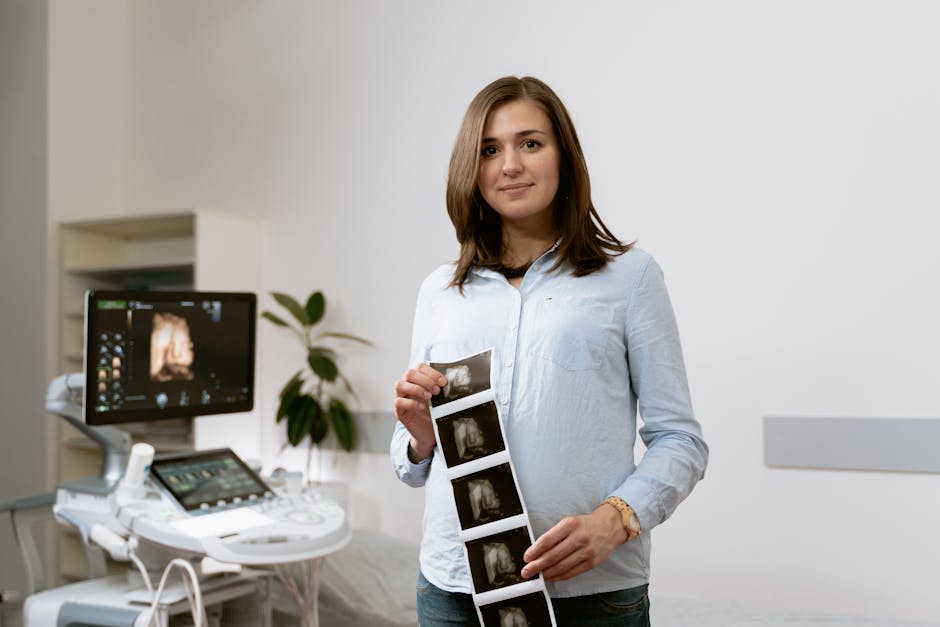
In addition to accuracy, AI can also improve productivity in medical imaging. By automating routine tasks such as image segmentation and measurement, AI allows radiologists to focus their time and expertise on more complex cases and patient care. Companies like GE Healthcare and Butterfly Network are already leveraging AI in ultrasound imaging to automate measurements and calculations, leading to increased efficiency and shorter wait times for patients.
Considerations for the Future
While the benefits of AI in medical imaging are clear, it is essential to consider the potential risks and limitations of its use in the healthcare industry. Privacy concerns, data security, and the need for human oversight are critical factors that must be addressed to ensure the responsible and ethical implementation of AI technology. Additionally, ongoing training and education for healthcare professionals will be crucial to harness the full potential of AI in medical imaging.
In conclusion, AI has the power to revolutionize medical imaging by enhancing accuracy, efficiency, and productivity. However, it is vital to approach its implementation thoughtfully and ethically to ensure that patients receive the highest quality of care. By leveraging the benefits of AI while addressing its challenges, the future of medical imaging looks promising and full of possibilities.