Key Takeaways
- Artificial intelligence is aiding health practitioners in performing echocardiograms to detect heart problems.
- The technology has the potential to expand to scanning other body areas.
- Remote areas with limited access to sonographers can benefit from this life-saving procedure.
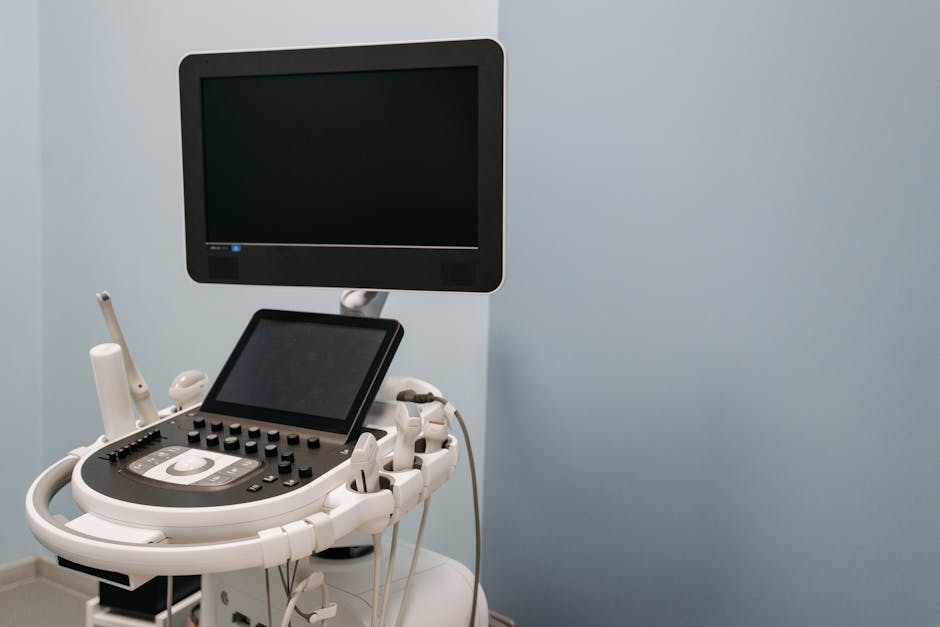
In the heart of remote Australia, a groundbreaking initiative is underway to detect heart disease using artificial intelligence technology. Aboriginal health practitioner Rhonda O'Keefe is at the forefront of this innovative approach, performing echocardiograms with the guidance of AI, despite not having formal sonographer training.
The Power of Artificial Intelligence in Healthcare
Artificial intelligence is revolutionizing the field of healthcare by empowering practitioners like Ms. O'Keefe to conduct complex procedures with precision and accuracy. Through AI prompts, she is able to navigate the ultrasound probe with expertise, capturing detailed images of the heart for diagnosis.
Transforming Diagnostic Processes
Traditionally, obtaining usable echocardiogram images required years of training and practice. However, with AI assistance, practitioners can achieve diagnostic-quality images on their first attempts. This not only expedites the diagnostic process but also enhances patient outcomes by enabling early detection of heart abnormalities.
Connecting Remote Communities to Specialized Care
In remote areas where access to specialized healthcare services is limited, AI-driven echocardiograms serve as a lifeline for patients in need. By uploading images to a cloud-based server, cardiologists located hundreds of kilometres away can analyze the results and provide timely interventions, bridging the gap in healthcare disparities.
Empowering Healthcare Providers
The collaboration between technology and healthcare professionals exemplifies the potential of AI in empowering individuals like Ms. O'Keefe to expand their capabilities and deliver quality care to underserved populations. By leveraging AI, practitioners can overcome geographical barriers and enhance healthcare delivery in remote regions.
As the trial of AI-assisted echocardiograms continues to show promising results, the prospect of extending this technology to other medical imaging procedures holds immense potential for improving healthcare outcomes across diverse communities. Through innovation and collaboration, the future of healthcare in remote Australia is being reshaped, one ultrasound at a time.