Key Takeaways
- Better prenatal imaging is improving detection of congenital heart disease.
- New ultrasound advances are allowing doctors to find heart defects earlier.
- Disparities in detection rates highlight the need for improved training and resources in prenatal care.
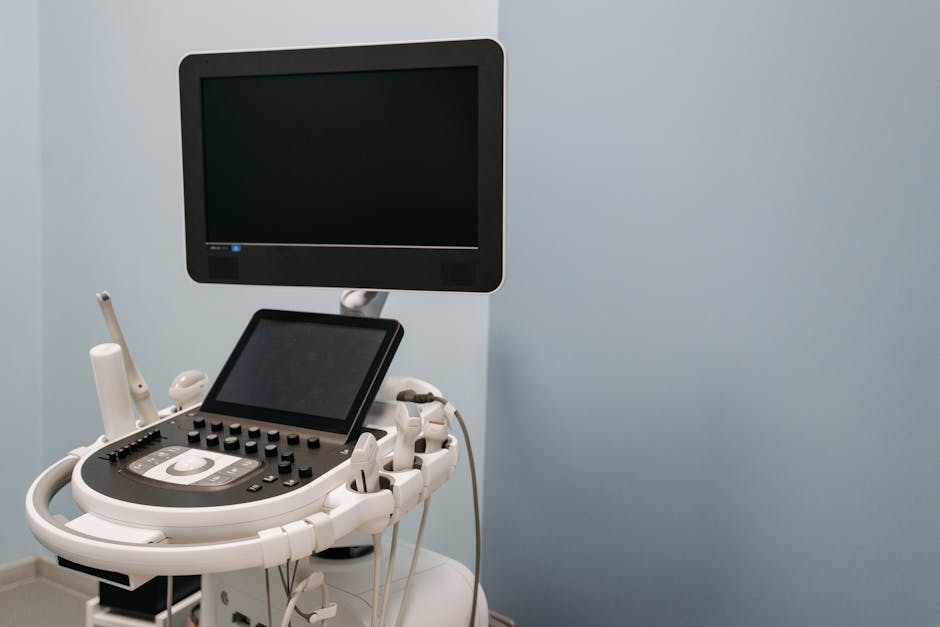
In a groundbreaking study published in The Annals of Thoracic Surgery, researchers have revealed how advancements in pediatric sonography are revolutionizing prenatal care for families facing congenital heart disease. By harnessing the power of ultrasound technology, doctors are now able to detect heart defects in unborn babies more accurately and earlier than ever before.
The Impact of Ultrasound Advances
Traditionally, prenatal screening for heart defects has relied on a standard four-chamber view during pregnancy scans. However, the recent introduction of outflow tract views has significantly improved detection rates. This means that conditions that may have previously gone unnoticed are now being identified, giving families the crucial time they need to prepare for the care their child will require after birth.
Challenges and Disparities in Detection
While the study shows promising progress, it also highlights disparities in detection rates across different regions and types of defects. Some areas still struggle to keep up with modern imaging techniques, pointing to broader issues in prenatal care such as access to advanced equipment and the expertise of sonographers. Dr. Jeffrey Jacobs, the lead author of the study, emphasizes the importance of identifying where improvements have been made and where further efforts are needed to ensure consistent results for all patients.
The Significance of Early Detection
The implications of early detection of congenital heart disease are profound. Not only does it impact the timing and success of treatment, but it also allows parents to emotionally and logistically prepare for the challenges that lie ahead. Hospitals can better prepare for the arrival of a child with a heart defect, ensuring that specialists and resources are in place to provide immediate care, potentially saving lives in critical cases.
The Need for Continued Research and Equity
While the study indicates that higher detection rates lead to better outcomes, further research is necessary to fully understand the impact of early diagnosis on surgical success and long-term health. Additionally, ensuring equitable access to quality imaging remains a critical factor in improving prenatal care outcomes. Training, resources, and regional standards all play a crucial role in ensuring that every family receives the same level of care and support.
As advancements in pediatric sonography continue to shape the landscape of prenatal care, the potential for early detection of congenital heart disease offers hope to families and doctors alike. By leveraging cutting-edge technology and addressing disparities in care, we move one step closer to ensuring a healthier future for all children.