Key Takeaways
- Advancements in biologic therapies and targeted treatments are driving the growth of the rheumatic diseases market.
- Innovations in musculoskeletal ultrasound are revolutionizing the diagnosis and monitoring of rheumatic diseases.
- Precision medicine is leading to more personalized treatment plans and improved outcomes for patients with rheumatic diseases.
Revolutionizing Diagnosis and Monitoring
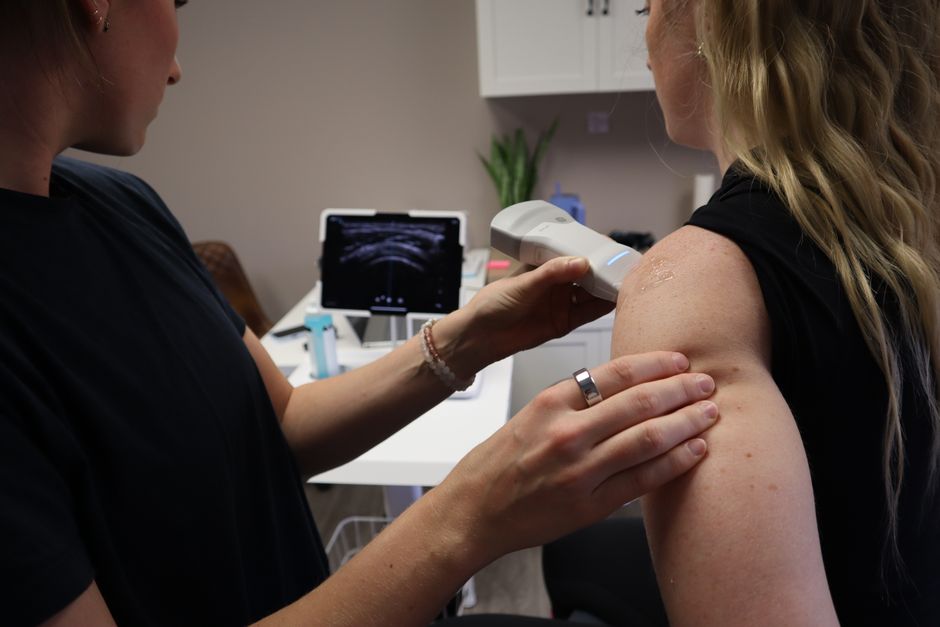
Advancements in musculoskeletal ultrasound are revolutionizing the way rheumatic diseases are diagnosed and monitored. This non-invasive imaging technique allows healthcare providers to visualize the structures within joints, muscles, tendons, and ligaments in real-time, providing valuable insights into the underlying causes of pain and inflammation.
Unlike traditional imaging methods like X-rays or MRIs, musculoskeletal ultrasound offers the advantage of dynamic imaging, allowing for the assessment of joint movement and function. This real-time feedback is especially beneficial for guiding injections, such as corticosteroids or hyaluronic acid, into precise locations to relieve pain and inflammation.
Personalized Treatment Plans
The emergence of precision medicine in the field of rheumatic diseases is transforming the way patients are treated. With advancements in biologic therapies and targeted treatments, healthcare providers can now tailor treatment plans to individual patients based on their specific immune responses and disease mechanisms.
By utilizing biomarkers and genetic testing, doctors can identify the most effective therapies for each patient, maximizing treatment efficacy while minimizing potential side effects. This personalized approach not only improves patient outcomes but also enhances the overall quality of care provided to individuals living with rheumatic diseases.
Improving Patient Outcomes
The integration of musculoskeletal ultrasound into clinical practice is leading to improved patient outcomes across the board. By enabling earlier and more accurate diagnosis of rheumatic diseases, healthcare providers can initiate treatment sooner, potentially slowing disease progression and preventing long-term joint damage.
In addition, the ability to monitor disease activity in real-time allows for timely adjustments to treatment plans, ensuring that patients receive the most effective care throughout the course of their disease. This proactive approach to management is essential for optimizing patient outcomes and enhancing their quality of life.
Future Implications
As advancements in musculoskeletal ultrasound continue to unfold, the future of rheumatic disease management looks promising. With improved diagnostic capabilities and personalized treatment options, patients can expect better outcomes and a higher quality of life.
By embracing these innovative technologies and treatment modalities, healthcare providers can revolutionize the way rheumatic diseases are managed, ultimately leading to a brighter future for individuals living with these chronic conditions.