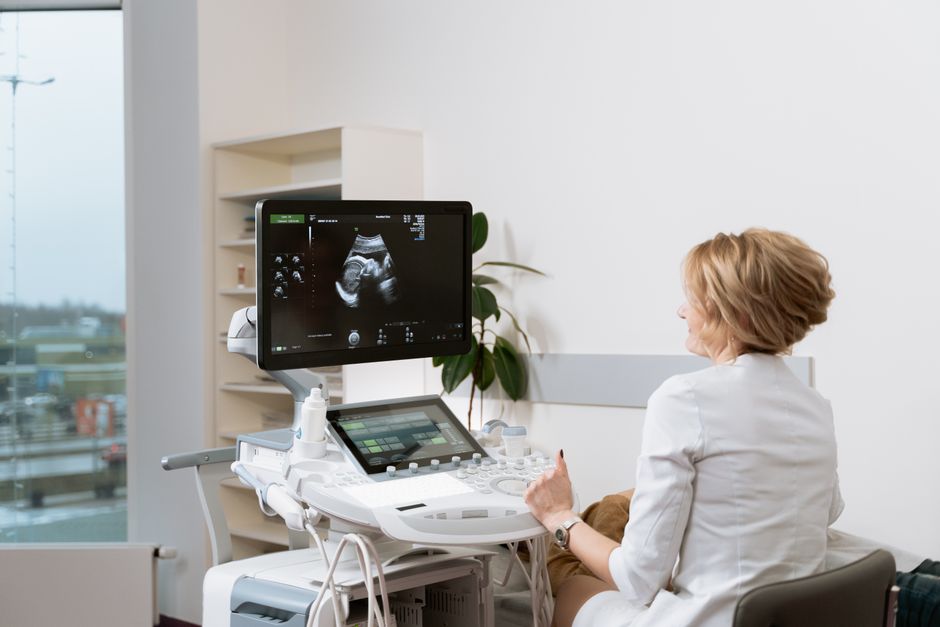
Exciting developments are underway in the field of rheumatology, with the American College of Rheumatology unveiling new draft guidance for the use of musculoskeletal ultrasound (MSUS) at their 2024 Annual Meeting. This guidance aims to revolutionize the way we diagnose, monitor, and predict outcomes for patients with rheumatoid arthritis (RA). Led by experts like Veena K. Ranganath, MD, the committee charged with updating the 2012 recommendations has been hard at work incorporating the latest advancements in technology and therapeutic strategies.
Over the past decade, the landscape of rheumatology has evolved significantly. With over 30,000 articles published on MSUS and arthritis since 2012, there has been a wealth of new information to draw from. As Dr. Ranganath notes, the patients we see today are vastly different from those of years past, necessitating a fresh approach to incorporating musculoskeletal ultrasound into clinical practice.
The process of developing this new guidance involved a meticulous examination of key domains and clinical questions using the PICO model. By reviewing literature dating back to 1993, the committee was able to gather evidence from sources like PubMed, Embase, and the Cochrane Database. Through a rigorous voting process involving 11 experts, 33 statements were identified as having moderate to strong evidence, paving the way for a more comprehensive understanding of MSUS in rheumatology.
For practitioners like Erin Arnold, MD, the potential impact of this new guidance is immense. With over 20 years of experience using MSUS, Dr. Arnold views this latest development as a valuable resource for clinicians seeking to enhance their diagnostic capabilities and optimize therapy outcomes. By providing a standardized approach to assessing disease activity, this guidance aims to improve patient care and decision-making.
One of the key benefits of incorporating MSUS into rheumatology practice is the ability to assess disease activity in a more holistic manner. As Dr. Arnold points out, traditional methods of evaluation may not always capture the full extent of a patient's symptoms. By utilizing a combination of tools and techniques, clinicians can gain a more nuanced understanding of a patient's condition, leading to more personalized and effective treatment strategies.
Moreover, the evolution of MSUS technology has opened up new possibilities for monitoring and predicting outcomes in patients with inflammatory arthritis. By leveraging these advancements, clinicians can tailor their approach to each individual, taking into account factors like disease progression, response to therapy, and overall quality of life.
As the committee prepares for a second round of voting before finalizing the guidance, the future of MSUS in rheumatology looks brighter than ever. With experts like Dr. Ranganath and Dr. Arnold at the helm, the field is poised for a new era of innovation and excellence in patient care. Stay tuned for more updates on this groundbreaking development in the world of rheumatology.